Zhengzhou Protech
Home > News

Product

Contact Us

Leave Message

Contact Us

All products are customizable, leave message immediately, we will reply as soon as possible.

Name

Tel/WhatsApp

E-mail *

Country *

Raw Materia

Message *

Verification code *

I can't see clearly, refresh

Laboratory Electric Furnace Calibration: Key Steps for Accurate Experimental Data

Introduction: The Importance of Calibration for Laboratory Electric FurnacesHOTMuffle Furnace,Tube Furnace,Vacuum Furnace,Atmosphere Furnac
As a core equipment in experimental processes such as material heating, sample processing, and chemical reaction execution, the temperature control accuracy of laboratory electric furnaces directly determines the reliability of experimental data and the validity of experimental results. During long-term use, affected by factors such as heating element aging, temperature control system drift, and environmental interference, deviations are likely to occur between the actual temperature of the electric furnace and the set temperature. If calibration and correction are not performed in a timely manner, it may lead to distorted experimental conclusions, irreproducible scientific research results, and even trigger potential experimental safety hazards. Therefore, establishing a standardized calibration process for laboratory electric furnaces and conducting regular calibration work are key measures to ensure experimental quality and promote the smooth development of scientific research work.
HOTMuffle Furnace,Tube Furnace,Vacuum Furnace,Atmosphere Furnac
 
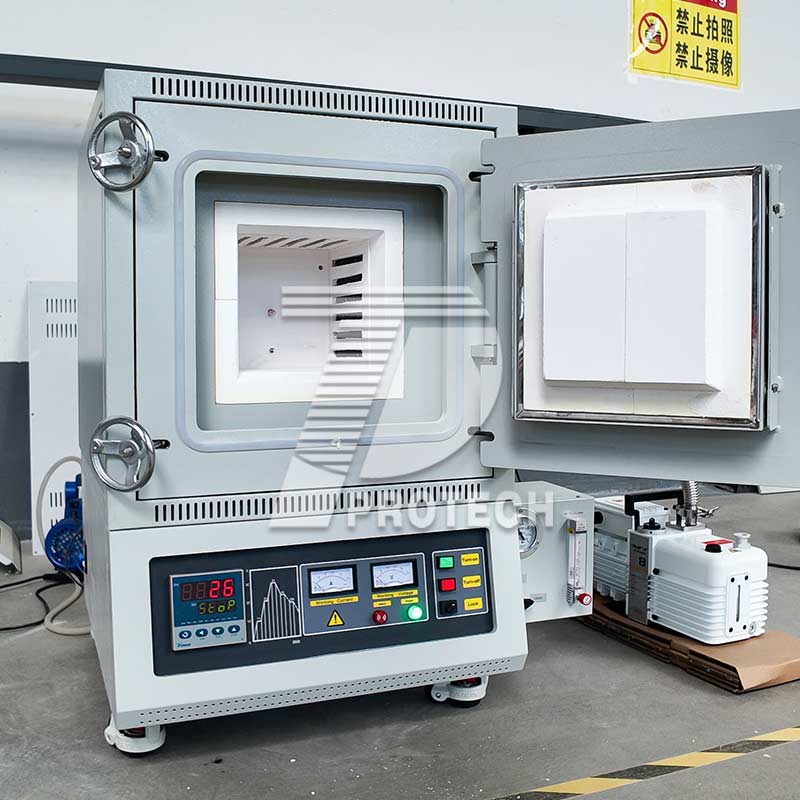
atmosphere furnace
HOTMuffle Furnace,Tube Furnace,Vacuum Furnace,Atmosphere Furnac
II. Pre-Calibration PreparationHOTMuffle Furnace,Tube Furnace,Vacuum Furnace,Atmosphere Furnac
2.1 Preparation of Technical Data and ToolsHOTMuffle Furnace,Tube Furnace,Vacuum Furnace,Atmosphere Furnac
Before conducting calibration work, it is necessary to collect the technical manual of the electric furnace in advance to clarify its key parameters such as rated temperature, temperature control range, and heating area size; prepare calibration tools that meet metrological standards, including: temperature measuring instruments verified by legal metrological institutions (such as thermocouple thermometers, platinum resistance thermometers, whose accuracy must be 1-2 levels higher than that of the electric furnace itself), temperature recording equipment, insulating gloves, high-temperature resistant heat insulation pads, screwdrivers and other auxiliary tools. At the same time, it is necessary to confirm that the measurement range of the temperature sensor used for calibration covers the common working temperature range of the electric furnace to ensure the validity of the measurement data.HOTMuffle Furnace,Tube Furnace,Vacuum Furnace,Atmosphere Furnac
HOTMuffle Furnace,Tube Furnace,Vacuum Furnace,Atmosphere Furnac
2.2 Equipment and Environment InspectionHOTMuffle Furnace,Tube Furnace,Vacuum Furnace,Atmosphere Furnac
Conduct an appearance inspection of the electric furnace to confirm that the furnace body is free of damage, the heating elements are free of breakage or looseness, and the power cord and terminal blocks are firmly connected; turn on the electric furnace for no-load operation for 5-10 minutes to check whether the temperature control system works normally and whether the temperature display is stable without jumping. In addition, the calibration environment must meet the requirements: the ambient temperature is controlled at 15-35℃, the relative humidity does not exceed 85%, there is no strong air flow or strong electromagnetic interference, so as to avoid environmental factors affecting temperature measurement. At the same time, ensure that there are no flammable or explosive items in the calibration area, equip necessary fire-fighting equipment, and do a good job in safety protection.HOTMuffle Furnace,Tube Furnace,Vacuum Furnace,Atmosphere Furnac
HOTMuffle Furnace,Tube Furnace,Vacuum Furnace,Atmosphere Furnac
III. Core Calibration StepsHOTMuffle Furnace,Tube Furnace,Vacuum Furnace,Atmosphere Furnac
3.1 Determination of Calibration PointsHOTMuffle Furnace,Tube Furnace,Vacuum Furnace,Atmosphere Furnac
Reasonably select calibration points according to the actual use needs of the electric furnace. Usually, the common working temperature range should be covered, and at least 3 key temperature points should be selected, including: the lower limit of common temperature, the midpoint of common temperature, and the upper limit of common temperature; if the electric furnace is used for experiments at a specific temperature, an additional specific temperature point should be added as a calibration point. For example, for an electric furnace with a temperature control range of room temperature to 1200℃, if the common temperatures are 500℃ and 800℃, 300℃ (near the lower limit), 500℃ (common point), 800℃ (common point), and 1100℃ (near the upper limit) can be selected as calibration points.HOTMuffle Furnace,Tube Furnace,Vacuum Furnace,Atmosphere Furnac
HOTMuffle Furnace,Tube Furnace,Vacuum Furnace,Atmosphere Furnac
3.2 Arrangement of Temperature SensorsHOTMuffle Furnace,Tube Furnace,Vacuum Furnace,Atmosphere Furnac
Open the electric furnace door, fix the probe of the temperature sensor for calibration at the core position of the electric furnace heating area (i.e., the area where samples are usually placed), ensure that the probe is not in direct contact with the electric furnace heating element to avoid measurement errors caused by local overheating; if the electric furnace heating area is large, multiple probes should be arranged at different positions (such as center, edge) to measure the temperature uniformity of each area. The lead wire of the sensor should be properly fixed to avoid touching the high-temperature part of the furnace body, and at the same time reduce the impact of the external environment on the lead wire. Close the furnace door to ensure good sealing and prevent heat loss.HOTMuffle Furnace,Tube Furnace,Vacuum Furnace,Atmosphere Furnac
HOTMuffle Furnace,Tube Furnace,Vacuum Furnace,Atmosphere Furnac
3.3 Temperature Rising and Constant Temperature MeasurementHOTMuffle Furnace,Tube Furnace,Vacuum Furnace,Atmosphere Furnac
Heat up sequentially according to the set calibration points. The heating rate of each calibration point must comply with the requirements of the electric furnace technical manual to avoid temperature overshoot caused by too fast heating. When the temperature control display of the electric furnace reaches the target calibration point, maintain a constant temperature for more than 30 minutes to ensure stable temperature inside the furnace. During this period, real-time collect the actual temperature measured by the sensor through the temperature recording equipment, record data every 5 minutes, and record at least 6 sets of data for each calibration point.HOTMuffle Furnace,Tube Furnace,Vacuum Furnace,Atmosphere Furnac
HOTMuffle Furnace,Tube Furnace,Vacuum Furnace,Atmosphere Furnac
3.4 Data Processing and Deviation AnalysisHOTMuffle Furnace,Tube Furnace,Vacuum Furnace,Atmosphere Furnac
Statistically process the actual temperature data recorded at each calibration point, calculate the average value and standard deviation, and compare the average value of the actual temperature with the set temperature of the electric furnace to determine the deviation. Judge whether the deviation is within the allowable range according to the technical indicators of the electric furnace (such as ±5℃, ±1%FS, etc.): if the deviation is within the allowable range, it indicates that the temperature control accuracy of the electric furnace meets the requirements; if the deviation exceeds the allowable range, record the deviation value and direction (high or low) to provide a basis for subsequent correction. At the same time, if the temperature of multiple areas is measured, calculate the maximum temperature difference between each area to judge whether the temperature uniformity inside the furnace meets the requirements.HOTMuffle Furnace,Tube Furnace,Vacuum Furnace,Atmosphere Furnac
HOTMuffle Furnace,Tube Furnace,Vacuum Furnace,Atmosphere Furnac
3.5 Correction and Verification of Calibration ResultsHOTMuffle Furnace,Tube Furnace,Vacuum Furnace,Atmosphere Furnac
If the temperature deviation is found to exceed the allowable range during calibration, it is necessary to correct it through the temperature control system of the electric furnace: for intelligent electric furnaces with automatic correction function, the correction parameters can be input according to the calibration deviation value to complete automatic correction; for manually adjusted electric furnaces, it is necessary to gradually correct the deviation by adjusting the relevant knobs of the temperature controller. After correction, it is necessary to reheat and measure the constant temperature of each calibration point to verify whether the corrected temperature deviation is within the allowable range and ensure the correction is effective.HOTMuffle Furnace,Tube Furnace,Vacuum Furnace,Atmosphere Furnac
HOTMuffle Furnace,Tube Furnace,Vacuum Furnace,Atmosphere Furnac
IV. Post-Calibration WorkHOTMuffle Furnace,Tube Furnace,Vacuum Furnace,Atmosphere Furnac
4.1 Equipment Reset and Cleaning
HOTMuffle Furnace,Tube Furnace,Vacuum Furnace,Atmosphere Furnac
After calibration, turn off the power of the electric furnace. Wait for the furnace body to cool down to room temperature, then remove the temperature sensor and fixing devices, and clean the debris and residual stains inside the furnace; check the status of the electric furnace door gasket, heating elements and other components to ensure that the equipment returns to normal use.HOTMuffle Furnace,Tube Furnace,Vacuum Furnace,Atmosphere Furnac
HOTMuffle Furnace,Tube Furnace,Vacuum Furnace,Atmosphere Furnac
4.2 Calibration Record and File RetentionHOTMuffle Furnace,Tube Furnace,Vacuum Furnace,Atmosphere Furnac
Detailedly record various information during the calibration process, including: calibration date, calibration personnel, electric furnace model and serial number, calibration environment conditions, model of calibration instruments and verification certificate number, set temperature of each calibration point, actual temperature measurement data, deviation value, correction situation and calibration conclusion, etc. Organize and file the calibration records, and establish an electric furnace calibration file. The file must be kept at least until the next calibration is completed to ensure traceability.HOTMuffle Furnace,Tube Furnace,Vacuum Furnace,Atmosphere Furnac
HOTMuffle Furnace,Tube Furnace,Vacuum Furnace,Atmosphere Furnac
4.3 Determination of Calibration CycleHOTMuffle Furnace,Tube Furnace,Vacuum Furnace,Atmosphere Furnac
Reasonably determine the next calibration cycle according to the use frequency, use environment, accuracy requirements of the electric furnace and relevant industry standards: under normal circumstances, it is recommended to calibrate daily used laboratory electric furnaces every 6-12 months; if the electric furnace is used frequently, in harsh environments (such as high temperature, high humidity, strong interference) or for high-precision experiments, the calibration cycle should be shortened to 3-6 months; if large deviations are found during calibration or the equipment is repaired after failure, it is necessary to recalibrate and adjust the calibration cycle according to the situation.HOTMuffle Furnace,Tube Furnace,Vacuum Furnace,Atmosphere Furnac
HOTMuffle Furnace,Tube Furnace,Vacuum Furnace,Atmosphere Furnac
V. NotesHOTMuffle Furnace,Tube Furnace,Vacuum Furnace,Atmosphere Furnac
1. During calibration, operators must wear safety protective equipment such as insulating gloves and protective glasses, avoid contact with high-temperature furnace bodies and heating elements, and prevent scalding;HOTMuffle Furnace,Tube Furnace,Vacuum Furnace,Atmosphere Furnac
HOTMuffle Furnace,Tube Furnace,Vacuum Furnace,Atmosphere Furnac
2. The probe of the temperature sensor must be accurately placed at the core position of the heating area, avoiding direct contact with the furnace wall and heating elements, to ensure that the measured data truly reflects the temperature of the sample area inside the furnace;HOTMuffle Furnace,Tube Furnace,Vacuum Furnace,Atmosphere Furnac
HOTMuffle Furnace,Tube Furnace,Vacuum Furnace,Atmosphere Furnac
3. Temperature measuring instruments used for calibration must be regularly verified by legal metrological institutions to ensure their accuracy meets the requirements. Instruments that are not verified or fail verification shall not be used for calibration work;HOTMuffle Furnace,Tube Furnace,Vacuum Furnace,Atmosphere Furnac
HOTMuffle Furnace,Tube Furnace,Vacuum Furnace,Atmosphere Furnac
4. If abnormalities occur in the electric furnace during calibration (such as sudden temperature rise, abnormal noise, tripping, etc.), stop calibration immediately, turn off the power, troubleshoot and repair, and then restart calibration;HOTMuffle Furnace,Tube Furnace,Vacuum Furnace,Atmosphere Furnac
HOTMuffle Furnace,Tube Furnace,Vacuum Furnace,Atmosphere Furnac
5. The calibration conclusion is only valid for the state of the electric furnace calibrated this time. If the electric furnace is moved, repaired, or key components are replaced subsequently, recalibration is required.HOTMuffle Furnace,Tube Furnace,Vacuum Furnace,Atmosphere Furnac
HOTMuffle Furnace,Tube Furnace,Vacuum Furnace,Atmosphere Furnac
ConclusionHOTMuffle Furnace,Tube Furnace,Vacuum Furnace,Atmosphere Furnac
The calibration work of laboratory electric furnaces is a core link to ensure the accuracy and reliability of experimental data. It is necessary to strictly follow the standardized calibration process, and be rigorous and careful in every link from pre-calibration preparation, core step operation to post-calibration record filing. Through regular calibration and scientific maintenance, it can not only ensure that the electric furnace is always in a precise temperature control state, provide reliable equipment support for scientific research experiments, but also extend the service life of the equipment and reduce experimental safety risks. Laboratories should attach importance to the calibration work of electric furnaces, establish a sound calibration management system, and promote the continuous improvement of experimental quality.HOTMuffle Furnace,Tube Furnace,Vacuum Furnace,Atmosphere Furnac
HOTMuffle Furnace,Tube Furnace,Vacuum Furnace,Atmosphere Furnac
Zhengzhou Protech Technology Co.,LTD is a professional manufacturer specializing in tube furnaces, muffle furnaces, atmosphere furnaces, and vacuum furnaces. We are committed to providing targeted solutions to meet your diverse heating equipment needs.HOTMuffle Furnace,Tube Furnace,Vacuum Furnace,Atmosphere Furnac
For customized heating solutions tailored to your specific requirements, feel free to get in touch with us:
HOTMuffle Furnace,Tube Furnace,Vacuum Furnace,Atmosphere Furnac
WhatsApp: +86 17719806024HOTMuffle Furnace,Tube Furnace,Vacuum Furnace,Atmosphere Furnac
Email: info@lab-furnace.com