Zhengzhou Protech
Home > News

Product

Contact Us

Leave Message

Contact Us

All products are customizable, leave message immediately, we will reply as soon as possible.

Name

Tel/WhatsApp

E-mail *

Country *

Raw Materia

Message *

Verification code *

I can't see clearly, refresh

5 Key Tips to Extend Heating Element Life for High-Temp Lab Furnaces

As the core component of high-temperature laboratory furnaces, heating elements directly determine the equipment's heating efficiency, temperature control accuracy, and operational stability. Whether it is resistance wire, silicon carbide rod, molybdenum wire, or other types, their service life depends not only on the material and craftsmanship of the product itself but also on the scientific nature of daily maintenance. Improper use and maintenance can lead to premature aging, fracture, or performance degradation of heating elements, increasing equipment operation and maintenance costs and affecting experimental progress. The following are 5 core maintenance points to help you maximize the service life of heating elements.
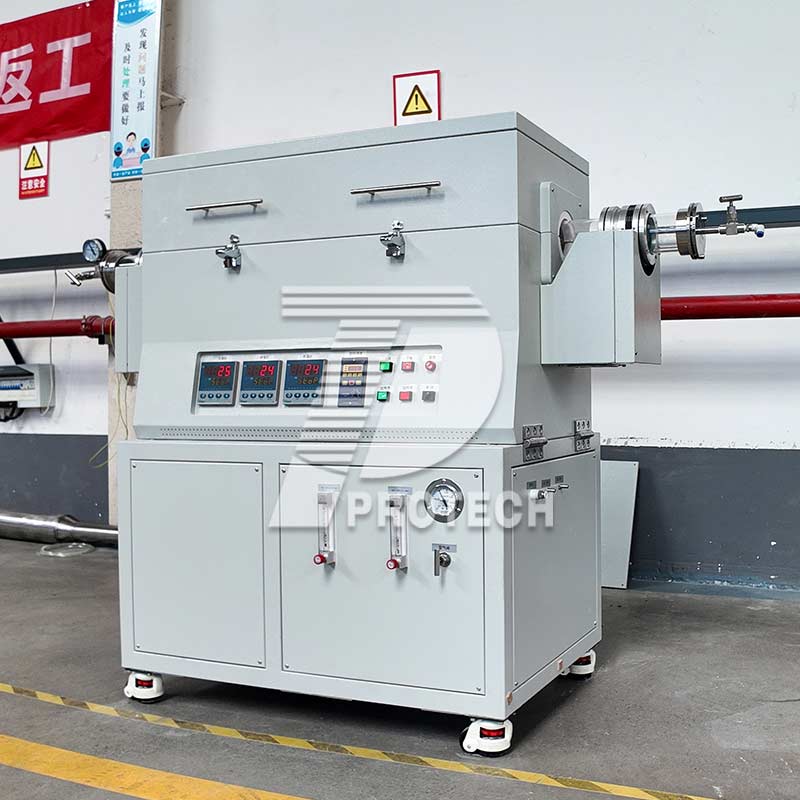
tube furnace
tuzMuffle Furnace,Tube Furnace,Vacuum Furnace,Atmosphere Furnac
1. Regular Cleaning to Remove Surface ContaminantstuzMuffle Furnace,Tube Furnace,Vacuum Furnace,Atmosphere Furnac
During long-term high-temperature operation, heating elements are prone to adsorbing dust, oxides, or corrosive gas residues volatilized from experimental samples. These contaminants will form a heat-insulating layer, causing local overheating of the elements and accelerating material oxidation and corrosion. It is recommended to clean the elements every 10-15 uses or once a month: when the furnace is cool, gently brush off surface dust with a soft brush; for stubborn attachments, wipe gently with a cloth soaked in anhydrous ethanol. Avoid scraping with hard tools to prevent damage to the surface coating of the elements. If the experiment involves corrosive samples, clean the elements promptly after each use and check for signs of corrosion such as spots or peeling.tuzMuffle Furnace,Tube Furnace,Vacuum Furnace,Atmosphere Furnac
tuzMuffle Furnace,Tube Furnace,Vacuum Furnace,Atmosphere Furnac
2. Standardize Installation and Wiring to Avoid Mechanical DamagetuzMuffle Furnace,Tube Furnace,Vacuum Furnace,Atmosphere Furnac
When installing or replacing heating elements, strictly follow the equipment instruction manual to ensure uniform installation gaps between the elements and the furnace wall or fixtures, and avoid collision or extrusion with other components. Heating elements (especially resistance wires) are relatively brittle; do not overstretch, bend, or twist them during installation to prevent damage to the internal structure. Tighten the wiring terminals to avoid poor contact or sparking, which may burn the elements or terminals. At the same time, check whether the installation position of the elements is centered to ensure uniform heating and reduce local overloading.tuzMuffle Furnace,Tube Furnace,Vacuum Furnace,Atmosphere Furnac
tuzMuffle Furnace,Tube Furnace,Vacuum Furnace,Atmosphere Furnac
3. Control Heating and Cooling Rates to Avoid Thermal ShocktuzMuffle Furnace,Tube Furnace,Vacuum Furnace,Atmosphere Furnac
Heating elements have limited tolerance to sudden temperature changes. Excessively fast heating or cooling will cause severe thermal expansion and contraction, leading to cracks or fractures of the elements. It is recommended to follow the "slow gradient" principle: when heating, first heat at a low rate (e.g., 5-10℃/min) to 30%-50% of the target temperature, keep it warm for 10-20 minutes, then gradually increase the rate to the set value; when cooling, do not turn off the power directly or use forced air cooling. Instead, first cut off the heating power, allow the furnace body to cool naturally to below 200℃, then turn on the cooling device as needed to avoid damage to the elements caused by excessive temperature difference.tuzMuffle Furnace,Tube Furnace,Vacuum Furnace,Atmosphere Furnac
tuzMuffle Furnace,Tube Furnace,Vacuum Furnace,Atmosphere Furnac
4. Real-Time Monitoring of Operational Status and Timely TroubleshootingtuzMuffle Furnace,Tube Furnace,Vacuum Furnace,Atmosphere Furnac
In daily use, pay close attention to the operational status of heating elements: observe whether the actual temperature is consistent with the set temperature through the equipment's temperature control instrument. If there are problems such as slow heating or excessive temperature fluctuation, it may be due to element aging or poor contact. Regularly inspect the appearance of the elements; if deformation of resistance wires, fracture of silicon carbide rods, or severe oxide layers on the surface are found, replace them in a timely manner to avoid the expansion of faults. In addition, ensure stable power supply voltage. Excessive voltage fluctuation will cause abnormal current of the elements and accelerate aging. If necessary, equip a voltage stabilizer.tuzMuffle Furnace,Tube Furnace,Vacuum Furnace,Atmosphere Furnac
tuzMuffle Furnace,Tube Furnace,Vacuum Furnace,Atmosphere Furnac
5. Optimize the Operating Environment to Reduce Corrosion ImpacttuzMuffle Furnace,Tube Furnace,Vacuum Furnace,Atmosphere Furnac
The service life of heating elements is closely related to the operating environment. Avoid operating in corrosive, high-humidity, or dusty environments. Keep the laboratory well-ventilated and dry, with relative humidity controlled below 60%; if corrosive gases (such as hydrochloric acid, ammonia, etc.) are generated during the experiment, equip effective waste gas treatment devices to prevent gas erosion of the elements. Regularly clean the interior of the furnace chamber to remove residual sample debris, oxides, etc., to avoid reactions between contaminants and elements at high temperatures, which may affect their performance and service life.tuzMuffle Furnace,Tube Furnace,Vacuum Furnace,Atmosphere Furnac
tuzMuffle Furnace,Tube Furnace,Vacuum Furnace,Atmosphere Furnac
ConclusiontuzMuffle Furnace,Tube Furnace,Vacuum Furnace,Atmosphere Furnac
The maintenance of heating elements for high-temperature laboratory furnaces is a systematic work. By following these five core points—standardized cleaning, correct installation, stable heating and cooling, real-time monitoring, and optimized environment—you can not only effectively extend the service life of the elements and reduce operation and maintenance costs but also ensure the operational stability of the equipment and the accuracy of experimental data. It is recommended to establish a regular maintenance account and formulate a personalized maintenance plan according to the equipment usage frequency and experimental type, so that the heating elements can always be in the best working condition.tuzMuffle Furnace,Tube Furnace,Vacuum Furnace,Atmosphere Furnac
tuzMuffle Furnace,Tube Furnace,Vacuum Furnace,Atmosphere Furnac
Zhengzhou Protech Technology Co.,LTD is a professional manufacturer specializing in tube furnaces, muffle furnaces, atmosphere furnaces, and vacuum furnaces. We are committed to providing targeted solutions to meet your diverse heating equipment needs.tuzMuffle Furnace,Tube Furnace,Vacuum Furnace,Atmosphere Furnac
tuzMuffle Furnace,Tube Furnace,Vacuum Furnace,Atmosphere Furnac
For customized heating solutions tailored to your specific requirements,
feel free to get in touch with us:tuzMuffle Furnace,Tube Furnace,Vacuum Furnace,Atmosphere Furnac
WhatsApp: +86 17719806024tuzMuffle Furnace,Tube Furnace,Vacuum Furnace,Atmosphere Furnac
Email: info@lab-furnace.com
tuzMuffle Furnace,Tube Furnace,Vacuum Furnace,Atmosphere Furnac